“Balchem Corporation’s recent launch of the Metalosate® T.E.A.M.™ digital platform represents a strategic pivot toward data-driven precision in its Plant Nutrition segment. By digitizing decades of proprietary research into an accessible tool for agronomists and advisors, the company strengthens its competitive moat in specialty crop micronutrients, potentially boosting advisor adoption, recurring revenue through Metalosate sales, and long-term market share gains in sustainable agriculture—all while trading near recent levels around $163–$169 amid steady but unspectacular broader performance.”
Balchem’s T.E.A.M. Platform Launch and Its Implications for the Data Narrative
Balchem Corporation (NASDAQ: BCPC), a specialty chemicals player with a diversified portfolio spanning human nutrition, animal nutrition, and plant nutrition, has long positioned its Plant Nutrition business around the proven efficacy of its Metalosate® chelated micronutrients. These products deliver essential trace elements like zinc, iron, manganese, and copper in highly bioavailable forms, addressing deficiencies in high-value specialty crops such as fruits, vegetables, nuts, and vines. The segment has benefited from the company’s deep research heritage, particularly through the legacy of Albion Minerals, which Balchem acquired years ago to bolster its chelation technology.
In early March 2026, Balchem elevated this foundation by launching the Metalosate® T.E.A.M.™ plant tissue analysis digital platform. T.E.A.M.—standing for Technical Evaluation of Albion Minerals—transforms raw plant tissue test data into actionable, research-backed nutrient recommendations. The free tool targets pest control advisors, independent agronomists, and crop consultants who serve growers in specialty agriculture.
At its core, T.E.A.M. processes tissue samples against crop-specific optimal nutrient ranges, then examines inter-mineral relationships to pinpoint true limiting factors. Rather than delivering a generic list of deficiencies or excesses, the platform prioritizes imbalances using proprietary diagnostic models refined over decades. This yields targeted prescriptions, often emphasizing micronutrient applications where Metalosate products excel.
The digitization marks a clear evolution. Previously, similar evaluations relied on manual interpretation or limited software, but T.E.A.M. offers real-time, scalable delivery. Advisors upload or input tissue analysis results, receive instant reports, and track historical trends across seasons. This longitudinal view enables better decision-making, reduces over-application of inputs, and supports sustainability goals by minimizing waste and environmental impact.
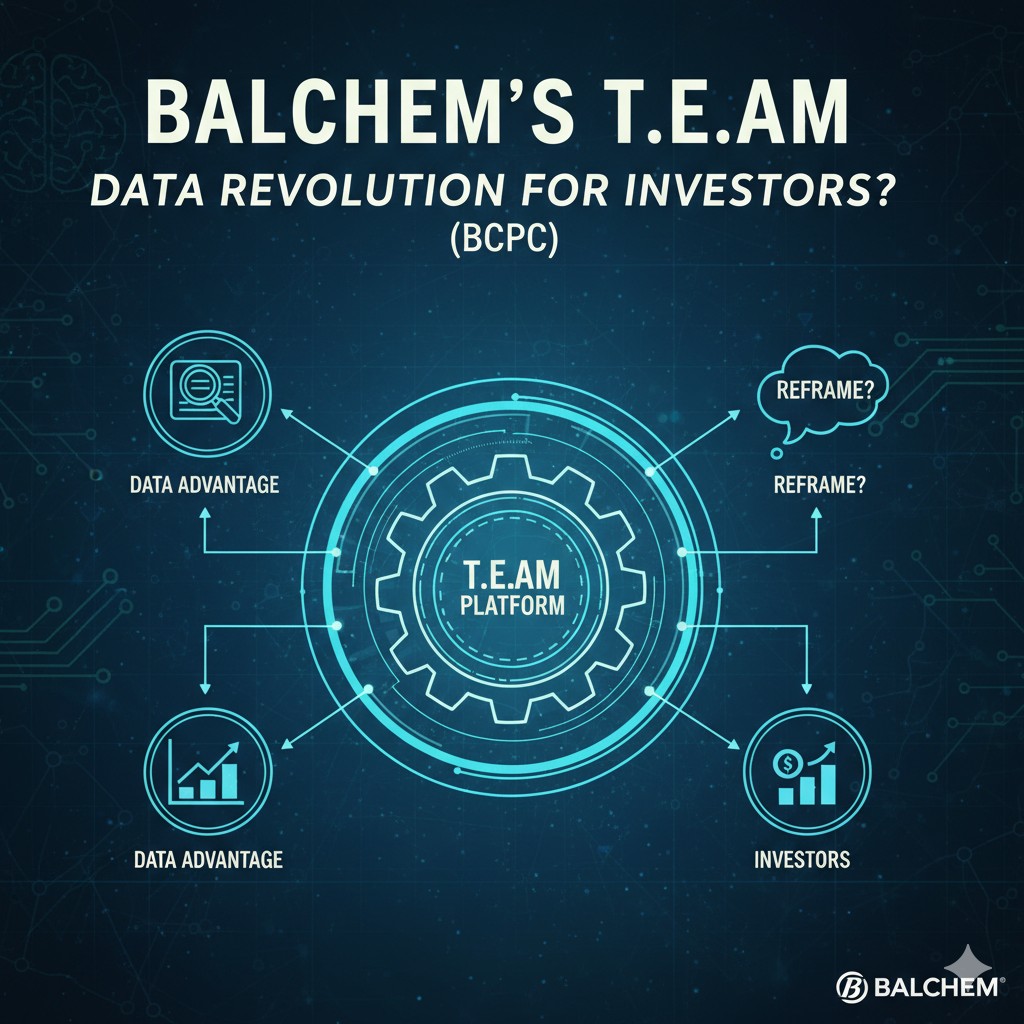
For investors, the platform reframes Balchem’s long-standing data advantage. The company has historically highlighted its scientific edge—extensive field trials, university collaborations, and proprietary chelation patents—as a differentiator in a fragmented agronomy market. However, that narrative has sometimes felt intangible, tied more to product performance than to ecosystem control or recurring engagement.
T.E.A.M. shifts the story toward a modern, tech-enabled model. By providing a free, high-value service, Balchem embeds itself deeper into the advisor-grower workflow. When recommendations favor Metalosate applications—as they logically should, given the platform’s grounding in Albion-derived models—adoption of the company’s flagship products stands to rise. This creates a flywheel: more tissue analyses feed more data, refining models further while driving micronutrient sales.
The Plant Nutrition segment, though smaller than Human Nutrition & Health or Animal Nutrition & Health, offers high-margin potential in premium chelates. Specialty crops command higher input willingness-to-pay, and precision tools align with grower pressures for efficiency amid volatile commodity prices, labor shortages, and regulatory scrutiny on fertilizers.
Broader context within Balchem’s operations adds weight. The company has consistently delivered mid-single-digit to low-double-digit organic growth in recent years, supported by innovation across segments. Recent financials show solid cash generation—over $200 million in recent annual figures—funding both organic development and shareholder returns via dividends and occasional buybacks. The T.E.A.M. rollout coincides with ongoing international expansion efforts, where nearly half of recent sales growth has come from non-U.S. markets, suggesting the platform could scale globally as tissue testing gains traction in regions like Europe, Latin America, and Asia-Pacific.
Yet questions linger for investors weighing the narrative upgrade. Will advisor adoption accelerate meaningfully? Free tools face low barriers but also require behavioral change in a conservative industry. Competitive responses from rivals in micronutrients or broader precision ag platforms—such as those from larger input providers—could dilute impact. And while T.E.A.M. enhances stickiness, it does not fundamentally alter Balchem’s exposure to agricultural cycles, input cost fluctuations, or currency headwinds in export markets.
Current market pricing reflects a balanced view. Shares trade in the mid-$160s, within a 52-week range roughly from the upper $130s to near $184, with a price-to-earnings multiple in the mid-30s that incorporates steady growth expectations without aggressive premium for digital disruption. Year-to-date returns have been positive but modest, underscoring that investors await evidence of accelerated segment momentum or margin expansion tied to initiatives like T.E.A.M.
Key advantages the platform could unlock include:
Increased advisor loyalty through defensible, data-backed plans that differentiate consultants in the field.
Higher Metalosate penetration in existing and new accounts via prescriptive pull-through.
Data moat reinforcement , as aggregated anonymized trends could inform future R&D, product iterations, or even premium advisory services.
Sustainability alignment , supporting grower demands for reduced chemical footprints and better resource stewardship.
Potential risks temper enthusiasm:
Slow uptake if advisors prefer established workflows or competing diagnostic services.
Limited immediate revenue visibility, since the tool is free and benefits accrue indirectly through product sales.
Execution challenges in scaling support, education, and integration with third-party labs or software.
Overall, the T.E.A.M. platform does not represent a wholesale reinvention but rather a smart digitization of Balchem’s core competency. For a company often viewed as a reliable compounder in specialty ingredients, this move bolsters the data advantage story, positioning Plant Nutrition for more consistent contribution to overall growth. Investors tracking BCPC should monitor advisor sign-ups, segment sales trends in upcoming quarters, and any qualitative commentary on platform traction to gauge whether this reframes the investment case more decisively.
Disclaimer: This article is for informational purposes only and does not constitute investment advice, financial recommendations, or an endorsement of any security. Market conditions can change rapidly.